Core Product Advantages
- High Efficiency and Accuracy
Adopts high-throughput sequencing technology to conduct whole-genome chromosomal abnormality detection with high precision, efficiently identifying chromosomal abnormalities of different sample types, and ensuring the reliability of test results to support clinical accurate diagnosis and decision-making.
- Fast and Economical
Combines the advantages of rapid sequencing and low-cost detection, completes the whole detection process in a short cycle with high cost performance, and is suitable for large-scale clinical screening and routine detection scenarios, effectively controlling the detection cost for medical institutions and patients.
- Widely Applicable
Supports whole-genome chromosomal abnormality testing of multiple sample types including miscarriage tissue, amniotic fluid, single cells and tumor tissue, and adapts to a variety of clinical application scenarios such as reproductive medicine, prenatal diagnosis, genetic diseases and oncology, with strong scenario compatibility.
Applicable Population
- Population undergoing assisted reproduction who need to optimize pregnancy outcomes and improve success rates
- Elderly individuals, high-risk groups in prenatal screening and those with abnormal ultrasound findings who need prenatal chromosomal abnormality detection
- Families and children with genetic diseases, especially for the diagnosis of children with growth, intellectual or developmental disorders and family genetic verification
- Solid tumor patients requiring precise genomic diagnosis to guide targeted drug use and personalized treatment
- Couples with a history of miscarriage who need to investigate the genetic causes of early miscarriage
Clinical Significance
- Assist in Diagnosing the Causes of Miscarriage
Through chromosomal abnormality detection of miscarriage tissue, accurately identify the genetic factors leading to early miscarriage, provide a clear etiological basis for clinical diagnosis, and guide subsequent reproductive health management and intervention.
- Improve the Success Rate of Assisted Reproduction
Detect chromosomal abnormalities of samples related to in vitro fertilization (IVF), effectively reduce the risk of early miscarriage, improve the clinical pregnancy rate and live birth rate of IVF treatment, and optimize the outcome of assisted reproduction.
- Reduce the Incidence of Chromosomally Defective Births
Conduct prenatal chromosomal abnormality screening for high-risk prenatal groups, timely detect fetal chromosomal defects, and provide a basis for prenatal diagnosis and clinical decision-making, reducing the birth risk of children with chromosomal diseases.
- Aid Genetic Disease Diagnosis
Realize accurate diagnosis of children with growth, intellectual or developmental disorders through whole-genome chromosomal detection, and complete family genetic verification to clarify the genetic basis of hereditary diseases.
- Support Tumor Precision Diagnosis and Treatment
Identify the pathogenic causes and disease progression related to abnormal tumor fragments through chromosomal abnormality detection of tumor tissue, provide genomic evidence for tumor precise diagnosis, and guide the selection of clinical targeted drugs.
Standard Detection Process
- Clinical sample collection (miscarriage tissue, amniotic fluid, single cells, tumor tissue, etc.)
- Genomic DNA extraction and quality control
- High-throughput sequencing library preparation
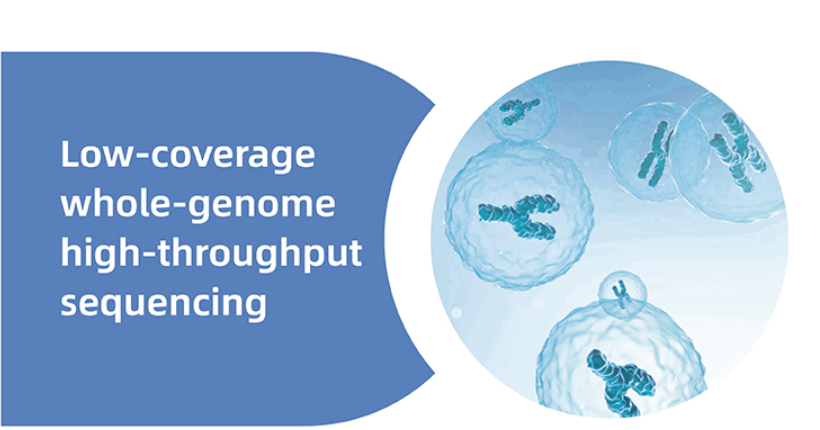
- Low-coverage whole-genome high-throughput sequencing
- Professional bioinformatics data analysis and chromosomal abnormality identification
- Result verification and formal report release
Rapid Lead Time
The whole detection process is streamlined and efficient, and the professional test report can be completed and released within 7 working days after receiving qualified samples, ensuring the timeliness of clinical diagnosis, reproductive intervention and tumor treatment decision-making.

 English
  Chinese
Reviews
There are no reviews yet.